
The Insurance Agent Reading List: 12 Books Our Team Recommend
.jpg)

If you search "books for insurance agents," you'll find a lot of lists. Most of them feature the same sales classics in the same order.
This isn't that list.
These recommendations were crowdsourced from the Canopy Connect team and Canopy Connect customers who are in the trenches every day. We asked what they were reading, what stuck with them, and what they'd hand to a colleague. Then we added a few titles of our own that don't show up on any insurance reading list, but probably should.
Organized alphabetically. No fluff. Here's what we'd actually recommend.
Frequently Asked Questions
What books should insurance agents read to grow their business? The best books for insurance agents cover a range of skills: building consistent habits, improving client communication, mastering sales conversations, and sustaining long-term performance without burning out. This list covers all of those areas.
Are there books specifically written for insurance agents? A few, but the most useful reads are often not written for insurance at all. Books on habits, negotiation, productivity, and human psychology tend to translate directly to the realities of running an insurance practice.
The List
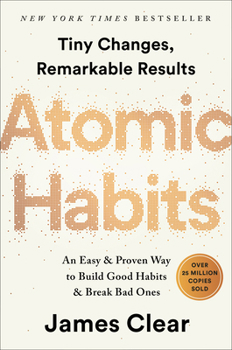
Atomic Habits
James Clear
Insurance is a long game. There's no single call that builds a book of business. It's the call you make every day, the follow-up you send every time, the system you actually stick to. Atomic Habits is the clearest framework available for building repeatable daily routines around lead generation, follow-up, and client service. Clear's core argument — that systems beat goals — is as true in a P&C agency as it is in any other business.
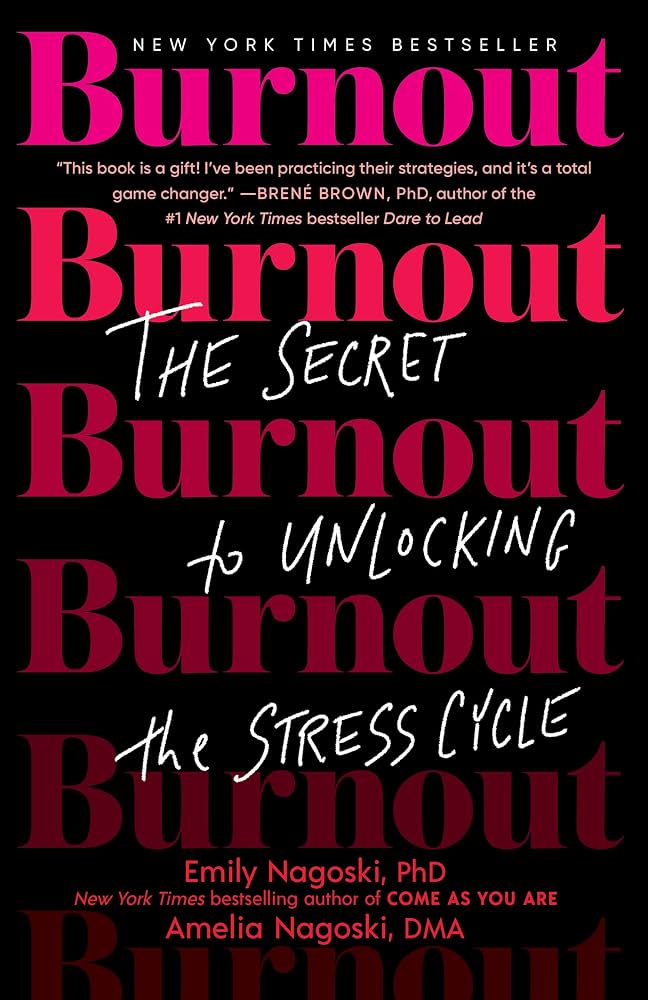
Burnout: The Secret to Unlocking the Stress Cycle
Emily Nagoski & Amelia Nagoski
Insurance agents face a specific kind of occupational stress: commission-based pressure, high rejection rates, clients who are often scared or upset, and the constant performance of calm when things are anything but. The Nagoski sisters explain that stress isn't just a feeling, it's a biological cycle that needs to be completed, not just managed. This book is a practical and science-backed guide to understanding what's actually happening in your body when you're burning out, and how to interrupt it before it quietly ends your career or your health. A must-read for any agent who's ever automatically said "I'm fine" one too many times.
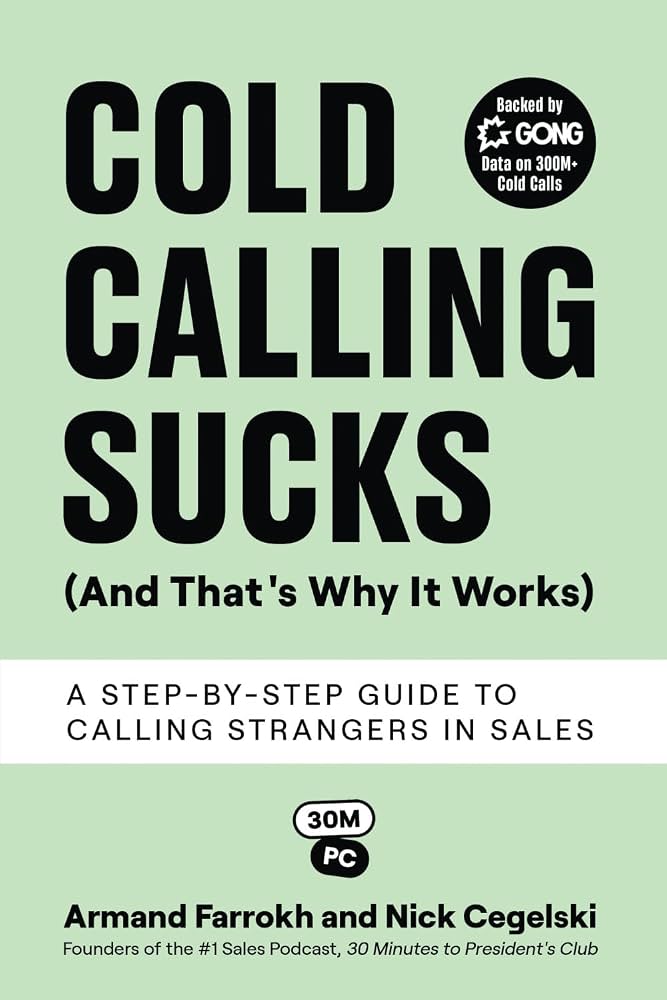
Cold Calling Sucks (And That's Why It Works)
Armand Farrokh & Nick Cegelski
A practical guide to prospecting that helps insurance agents get more conversations with the right people. It reframes cold calling not as a personality trait but as a learnable skill with clear frameworks for handling objections, earning meetings, and building the confidence to consistently fill your pipeline. Worth noting: Armand started his career as a 100% commission, 100% outbound insurance agent at Northwestern Mutual, where he learned to cold call by contacting lawyers at law firms to sell them life insurance. He has genuinely done what he's teaching.
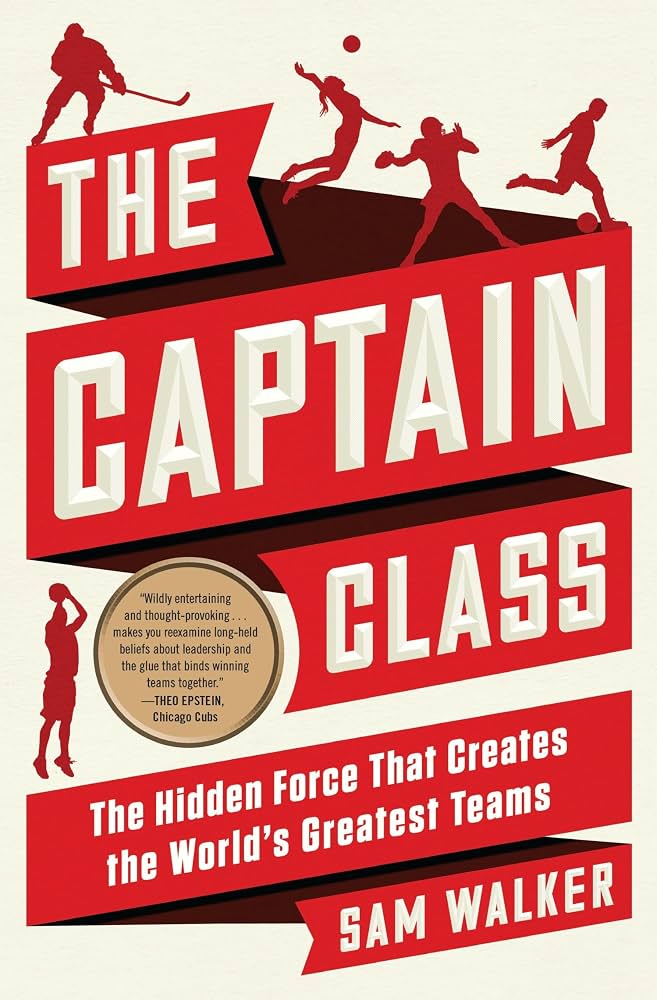
The Captain Class
Sam Walker
Sam Walker set out to identify what separates the greatest sports teams in history from the rest. His answer surprised a lot of people. It wasn't the best player, the best coach, or the most talent. It was the captain: a specific type of leader who treated attentiveness as a competitive advantage, not a soft skill. In insurance, where everything depends on trust built over time and delivered under pressure, the ability to read and anticipate people's needs is the whole job. This book makes the case that that skill is trainable, and that the leaders who master it are the ones everyone else follows.
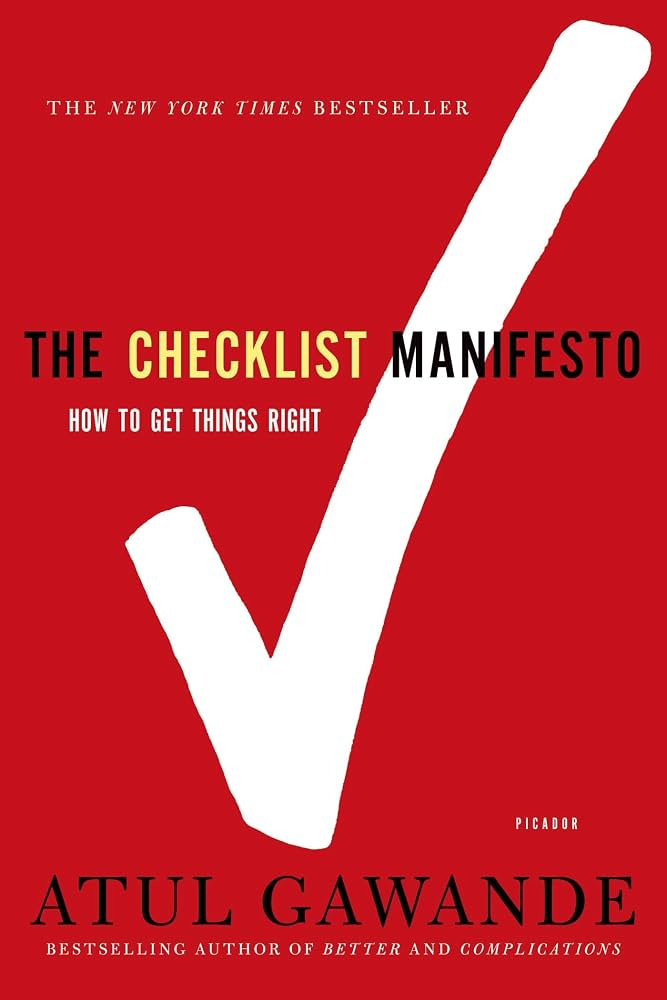
The Checklist Manifesto: How to Get Things Right
Atul Gawande
A surgeon makes the case for checklists. Sounds simple. The implications are not.
Gawande's research shows that even the most expert professionals in the world like surgeons, pilots, construction engineers, can make catastrophic mistakes not because they lack knowledge, but because they skip steps under pressure. For insurance agents, where a missed endorsement, an overlooked exclusion, or a policy gap discovered after a claim can cost a client thousands (and cost you a relationship), this book lands differently than it does for a general business audience. Build the checklist. Use the checklist. Every time.
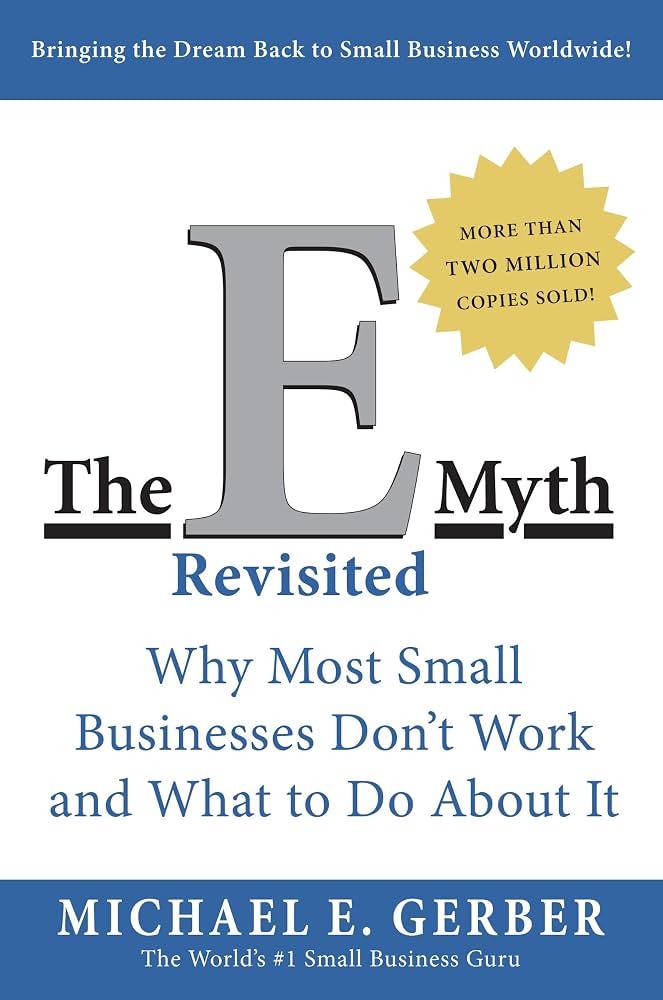
The E-Myth Revisited: Why Most Small Businesses Don't Work and What to Do About It
Michael E. Gerber
Many people start an insurance agency because they're good at insurance. That's not the same as being good at running a business. Gerber's "entrepreneurial myth" explains why so many capable agents plateau or burn out without ever understanding why. This book draws a clear distinction between working in your business (handling policies, servicing clients) and working on your business (building systems, developing your team, creating a practice that doesn't require you to be present for everything). Essential reading for any agency owner who wants to grow beyond their own bandwidth.
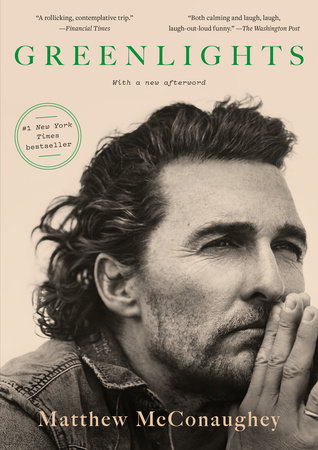
Green Lights
Matthew McConaughey
This one sounds like the least business book on the list. It might be the most honest.
McConaughey's memoir is about the pattern of his life: the setbacks, the struggles, the moments that felt like dead ends, and how, in retrospect, the hardest periods were the ones that redirected him toward something better. For agency owners, that framing lands: the month you almost quit, the market that shifted under you, the year you started over. McConaughey would call those red lights. But with patience and intention, red lights turn yellow, and yellow turns green. This book prompts you to look back at your own timeline differently, and to be more patient with where you are right now.
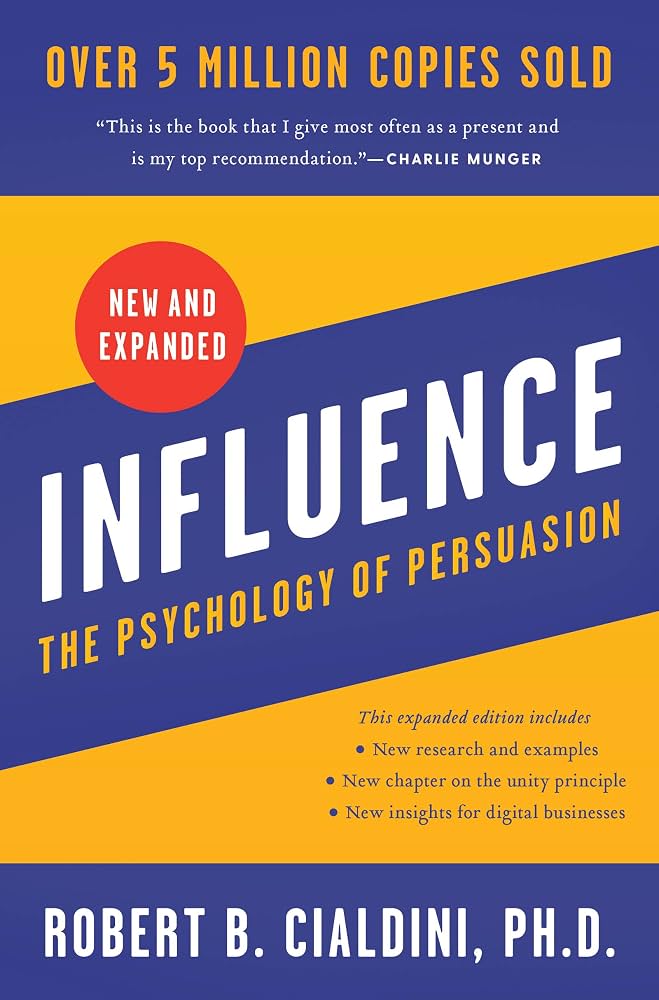
Influence: The Psychology of Persuasion
Robert Cialdini
The foundational text on why people say yes to products, to requests, to relationships. Cialdini identified six principles of influence (reciprocity, commitment, social proof, authority, liking, and scarcity) through years of field research, and his framework explains nearly every sales dynamic an insurance agent encounters. Read it to understand why certain conversations stall and others close naturally. Use it ethically, and you'll have a durable model for building trust and moving clients toward the coverage decisions that are actually right for them.
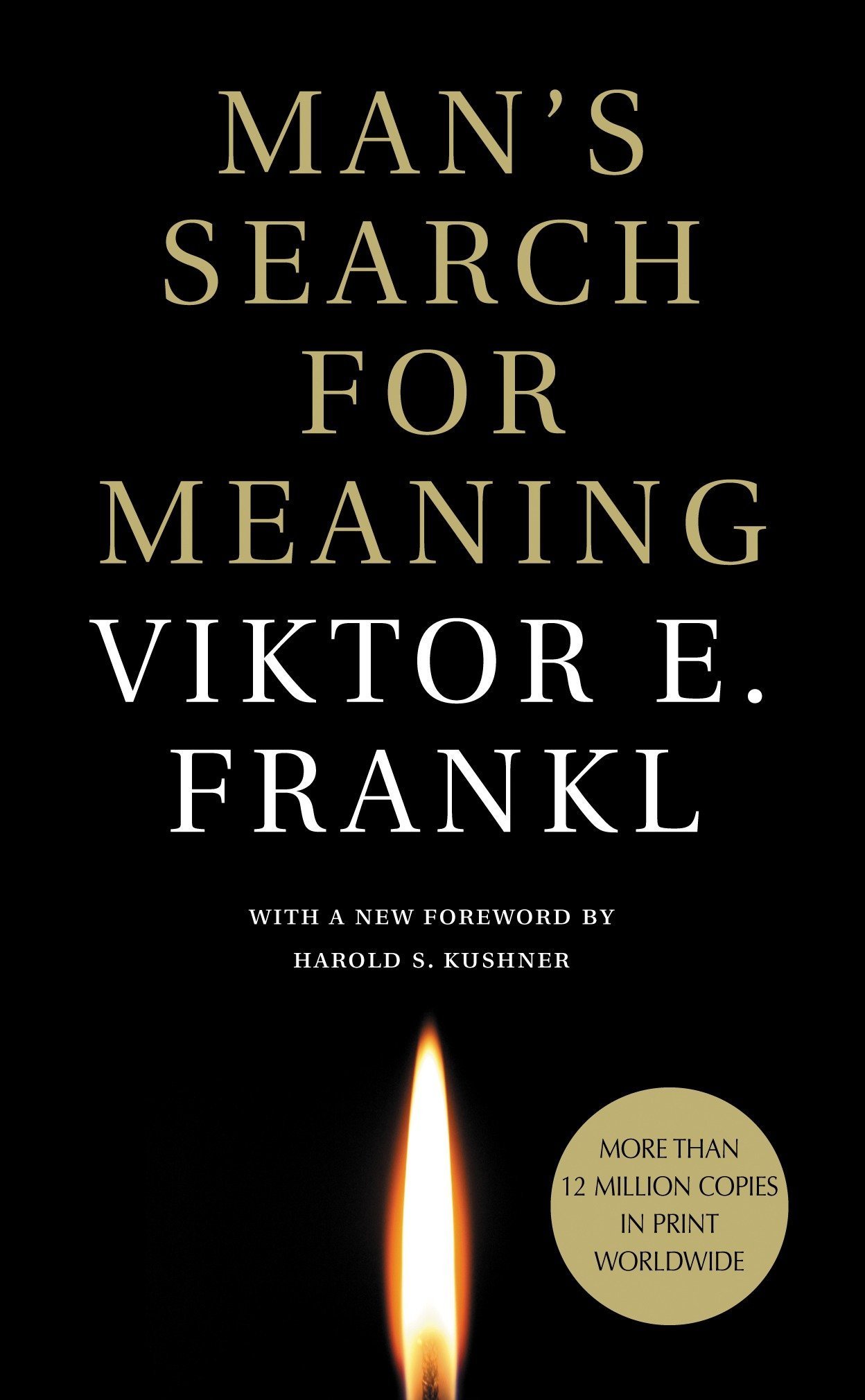
Man's Search for Meaning
Viktor E. Frankl
This is the most unexpected book on the list, and possibly the most important one for a certain kind of agent.
Frankl was a psychiatrist and Holocaust survivor who developed his theory of meaning-centered therapy through lived experience in a concentration camp. His core argument is that human beings can endure almost anything if they have a strong enough why.
Insurance agents show up when life falls apart. They're on the phone with families after house fires. They're explaining coverage limits to someone who just lost everything. They sit across from widows. They carry that weight. Man's Search for Meaning is not a sales book or a business book. It's a meditation on purpose under pressure, and it's quietly essential reading for anyone who wants to understand why this work matters and how to sustain the emotional weight of doing it for a career.
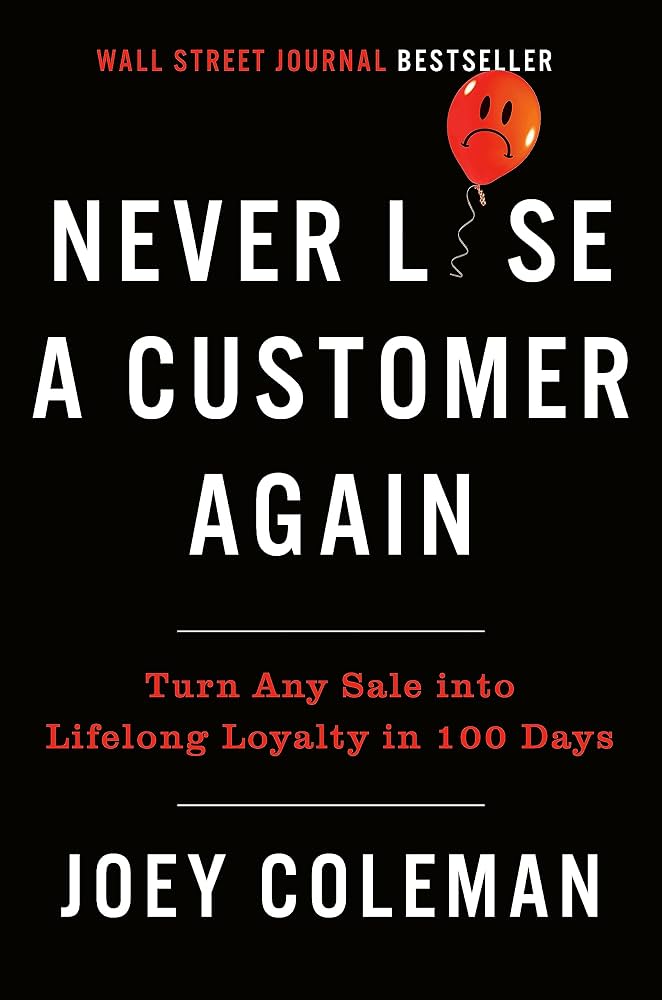
Never Lose a Customer Again: Turn Any Sale into Lifelong Loyalty in 100 Days
Joey Coleman
Most agencies think hard about acquiring clients. Fewer think hard about what happens in the first 100 days after the sale, which, according to Coleman, is exactly when most customer relationships are won or lost for good. Never Lose a Customer Again maps the emotional journey a new client goes through after they sign, and it's one of the most practically useful books on client experience available. Insurance agents who implement even a portion of Coleman's framework tend to see the thing they want most: clients who stay, refer, and expand their coverage over time.
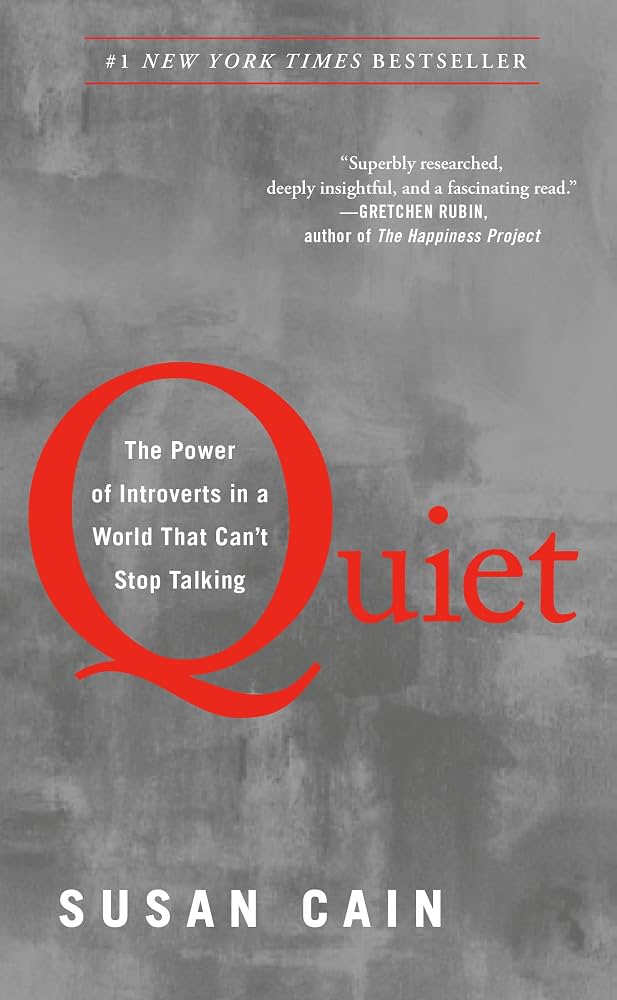
Quiet: The Power of Introverts in a World That Can't Stop Talking
Susan Cain
The popular image of a great insurance agent is someone who can work a room: loud, confident, relentlessly social. But some of the best agents are introverts who will never be the loudest person anywhere, and who are more effective because of it. Cain's research shows that introverts tend to listen more carefully, build deeper relationships, and think more thoroughly before recommending a course of action — things that matter enormously in insurance. This book helps introverted agents lean into their natural strengths rather than performing extroversion. It also helps agency owners understand that their quietest team members may be their most trusted advisors.
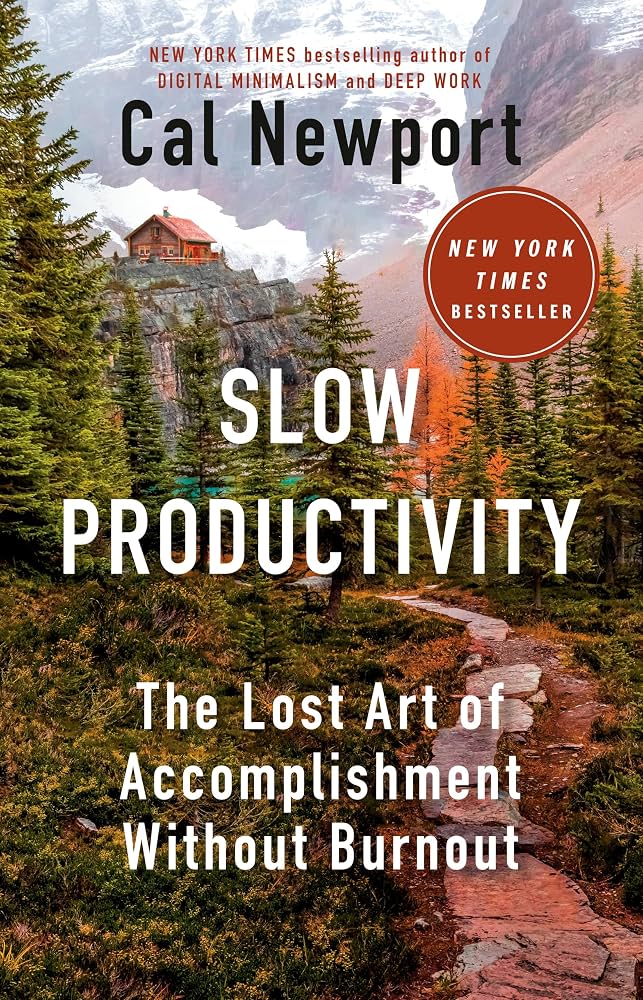
Slow Productivity: The Lost Art of Accomplishment Without Burnout
Cal Newport
Discussed in last season’s Connected Conversations intro episode with Carrie and Ray.
The insurance industry has a busyness problem. Agents wear constant activity as a badge of honor — more calls, more quotes, more appointments — without always asking whether the activity is producing the right results. Newport's argument is the opposite of hustle culture: sustainable, high-quality output comes from doing fewer things, at a higher level, over a longer time horizon. For agents who feel like they're always moving but never quite getting ahead, this book is a useful intervention. It doesn't ask you to slow down, it asks you to be more intentional about what you speed up.
A Note on This List
None of these books were sponsored or submitted for consideration. These are reads that the Canopy Connect team and agent community have found genuinely useful, some for the obvious reasons, and some in ways we didn't expect until we were a few chapters in.
If there's a book that's shaped the way you think about your practice, we'd love to hear about it. Send it our way. The best reading lists are always crowdsourced!
Canopy Connect helps insurance agents instantly collect verified insurance information from clients. Less time chasing documents means more time building the relationships this reading list is all about. Learn more →